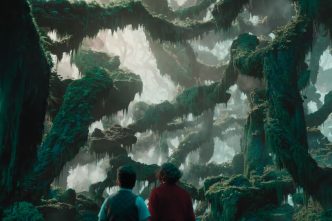
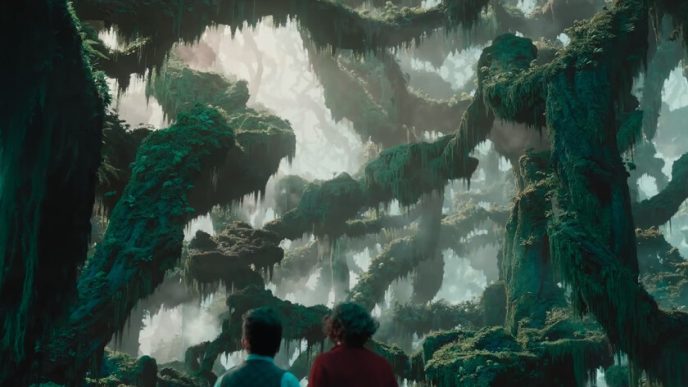
In the first half of the 20th century, ranchers, hunters and officials from Argentina’s National Parks Administration proposed transforming Victoria Island, a few kilometers from Bariloche, into a very strange ‘Noah’s Ark’.
In one way or another, European deer, wild boar and all kinds of exotic plants were introduced; They didn’t just plant Californian redwoods, import feral cats or American mink: in the 1950s, they released all kinds of peacocks, guinea fowl and five types of pheasant.
The idea was to “take advantage” of the previous problematic private management and turn the island into a tourist spot of great interest for its fauna (native or exotic) and to promote hunting in the area. But it soon became derailed and by 1959, the station was closed, derelict and derelict.
Seventy years later, only one of those seven bird species remains.
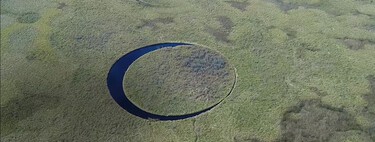
Immortal, Patagonian version. Between June 2011 and May 2012, a team from CONICET and Comahue Autonomous University installed eight trap cameras on the island. Thanks to this, they collected 710 unique records of land mammals and birds.
It is curious (or not so curious), but only two native species are matched: the Chukao and the long-tailed rat. The rest were fallow deer, deer, wild boar, mink and pheasant. 222 of those records were pheasants.
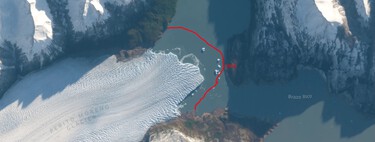
And that’s a lot of pheasants. In fact, when they counted them, the researchers found 5.69 people per hectare in disturbed areas and 1.77 in slightly disturbed areas. In comparison, Khao Yai National Park in Thailand, where the silver pheasant is endemic, has a density of 0.15.
But curiously, the number of pheasants is higher in areas where pine and eucalyptus trees were planted to reforest the island. That is, not that they are better adapted to the ecosystem than native animals; He took advantage of the new ecosystem to outwit the native fauna. There are thousands of pheasants around us.
After all, because nothing living there can eat them. In Asia, silver pheasants are hunted by leopard cats and Siberian weasels; There were no large predators on the island.
And indeed, when they were introduced, they had no effect. For example, although the presence of pumas has been confirmed on the island for 15 years, nothing has been able to stop the pheasants. That’s what worries the researchers: Victoria Island is so different from what’s around it, and no one knows what will happen if they move there.
Picture | Sushant Rokka
In Xataka | In 1946, Argentina released 20 beavers in Tierra del Fuego: now they have become “the biggest landscape change since the glaciation”.