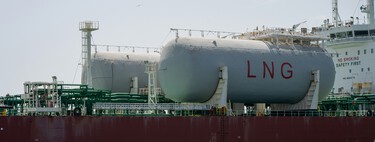
The European Union is looking for new ways to deal with increasingly volatile and less reliable markets. On this occasion, Commission President Ursula von der Leyen is presenting an unprecedented proposal to the European Parliament these days: aggregating all the continent’s needs and buying joint energy. As if we are one country.
Another 100,000 million euros. According to the statement of the President of the European Commission reported by the EFE Agency, we Europeans have paid for imported fossil fuels since the war in Iran started.
Despite the release of 100 million barrels of diesel and crude oil by the G7 due to rising fuel prices, particularly gas prices, which have increased by 140%, fuel prices have soared. All that inflated the energy bill by millions of dollars without meaning to get “an extra molecule of energy”.
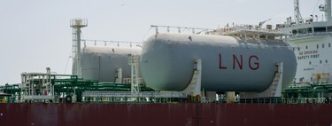
What is the power of unity? To deal with this crisis, at least in the short term, von der Leyen proposes the model Europe used in the pre-2022 crisis, when it tried to communicate with buyers and sellers of gas. Now, what it proposes is that the European Union aggregates the needs of its member states and is thus able to negotiate a joint purchase of the energy it needs, centralizing the deal and coordinating the continent’s efforts. Specifically, the plan envisages the purchase of oil, green hydrogen and minerals required for battery development, apart from gas.
This would prevent 27 negotiations for 27 different deals for each of the 27 countries that make up the union, and block action could be used as pressure to get a better deal, at a time when energy markets are skyrocketing.
But that doesn’t solve the problem. Von der Leyen is clear and shared that the medium and long-term solution must be the electrification of the European economy. For the head of the Community Executive, only by tackling the structural problems existing at the energy level, such as the continent’s energy dependence, can the international disruption of the European economy be reduced.
And, despite the measures taken, these disruptions could continue or worsen this winter, as Europe faces a cold spell with the lowest gas reserves in its recent history.
Energy sovereignty is an urgent need. In von der Leyen’s plan, the European Union strengthens its strategic autonomy, above all through renewable energy. As explained by El Independiente, Europe still relies on gas, oil and traditional fuels for a large part of its energy mix. Hence, the targets are to electrify 23% to 46% in 2040. With this objective, European economies can save up to 260 billion euros annually by purchasing energy from third parties.
Picture | Francois Zenon
In Xataka | The energy map is changing: it is no longer the winner who has the most gas, but the one who can put it on the market