When Winston Ledger stops by Firefly Coffee in Scottsdale, Ariz., he opts for an off-the-menu drink: a “naked” iced vanilla latte.
It’s a standard iced latte by most measures — except for the fact that it’s milkless. Mr. Ledger instead purchases raw milk from Firefly’s refrigerator and mixes it into the organic espresso and syrup in his cup. Local health inspectors said the shop cannot use raw milk in its drinks, according to one of the shop’s founders, but can sell it.
“That’s my go-to,” Mr. Ledger said, sitting beside his raw milk latte and a Bible he was studying.
Firefly is somewhat of a hub for Make America Healthy Again-minded patrons in the affluent, right-leaning and health-conscious city of Scottsdale, attracting athleisure-wearing young people, stroller moms, entrepreneurs and Bible study groups.
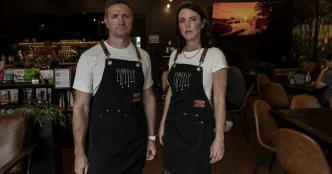
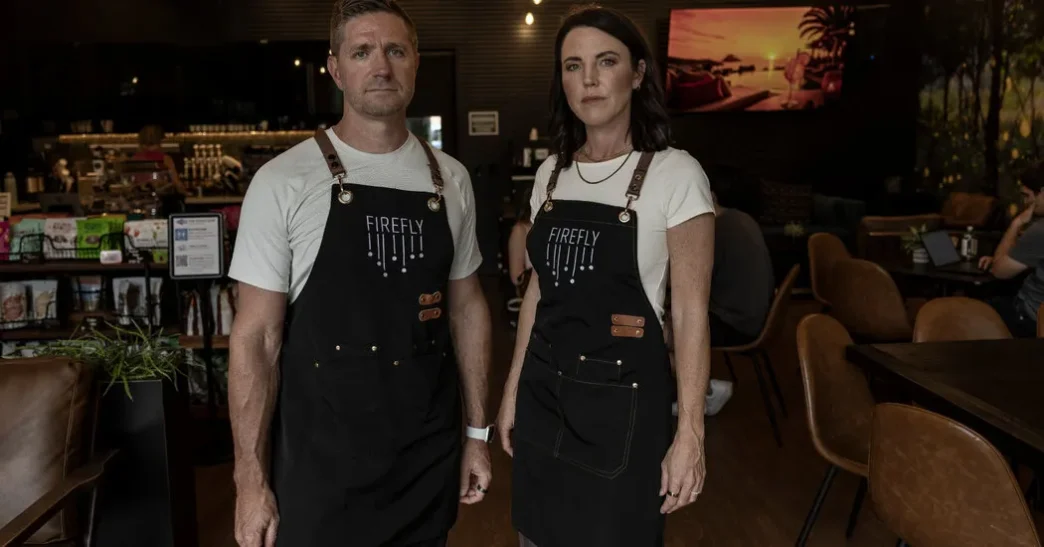
For co-founders Patrick Sullivan Jr. and Ashley Leroux Sullivan, both Republicans who embraced the marriage of MAHA and MAGA, Mr. Ledger is the exact type of wellness-minded regular they had in mind once they opened in 2025. Now, however, the couple finds themselves part of a contingent of MAHA voters who are slipping from the Republican Party and searching for candidates who prioritize the movement.
While it’s difficult to pinpoint the number of MAHA supporters who are pulling their support from the Republican Party, nearly 70 percent of rural supporters of the movement said the Trump administration’s policies have had an adverse effect or no impact on the health of people where they live, according to a KFF and A.P. poll earlier this year focused on the midterms.
The driving forces behind the MAHA movement are people seeking to be healthier and looking to remove harmful substances in food, the poll found. Few MAHA supporters specifically expressed support for President Trump or Robert F. Kennedy Jr., who runs the Health and Human Services Department.
Still, a majority of MAHA supporters are Republicans, with about half identifying as MAGA, the poll found. The two coalitions were bound for friction as the alliance marries a traditionally pro-business Republican Party with skeptics of industry who have rallied against chemical exposure.
Then in December, Lee Zeldin, the administrator of the Environmental Protection Agency, loosened restrictions on harmful chemicals, prompting MAHA activists to call for his resignation.
And earlier this year, Mr. Trump signed an executive order intended to increase the production of glyphosate, a widely used weedkiller and possible carcinogen that has been the target of thousands of lawsuits, including one brought by Mr. Kennedy. Activists rebuked the move and railed against the administration after it backed the manufacturer of the weedkiller.
The moves, particularly on glyphosate, have caused Mr. Sullivan to feel “a little allergic” to the Republican Party, he said.
“My team did that?” said Mr. Sullivan.
“It makes you feel like you want to be an independent,” Ms. Leroux Sullivan chimed in.
Some conservatives, like Alex Clark, a health and wellness podcaster for the conservative group Turning Point U.S.A., are fretting that the MAHA coalition is “up for grabs.”
“I believe that vibes have been off for awhile, started with the Epstein debacle, continued with the Iran war, and then if we completely fumble the bag on MAHA, you can kiss 2028 goodbye,” Ms. Clark said.
Ms. Clark said it was likely too late for the Republicans to earn back the trust of MAHA voters with just weeks before the midterm elections.
Eden Marie James, co-founder of the MAHA Mom Coalition, said the 2028 presidential election could determine whether MAHA is a durable Republican constituency or a voting bloc that is willing to move. Ms. James has cast her ballot for both Republican and Democrat presidential nominees, like others in her coalition, she said.
“I don’t think that MAHA’s future is guaranteed to belong to either party,” she said.
That doesn’t stop politicians from trying to tap the coalition.
Representative Andy Biggs, the Republican nominee for Arizona governor, has a MAHA platform. Among its priorities: allowing restaurants and coffee shops to sell and serve raw milk; limiting the purchases of soda and junk food with SNAP benefits; making ivermectin, an anti-parasitic drug, available over the counter; and requiring schools to educate parents on vaccine exemptions for their children.
“I hope it brings people back” to the G.O.P., Mr. Biggs said in an interview. Mr. Biggs is hoping to unseat Katie Hobbs, the Democratic incumbent who recently tapped a former Republican as her running mate. If successful, Mr. Biggs would be the first Republican elected to Arizona’s top office since 2018.
“Ivermectin, raw milk, I mean we’re going deep here,” Ms. Clark said. “This isn’t just, you know, fluff stuff.”
The move on raw milk would allow Firefly to make and serve raw milk lattes, moving Mr. Ledger’s makeshift drink to the actual menu.
When the coffee shop founders learned of Mr. Biggs’s MAHA platform, they were optimistic, but wary.
“I don’t know if that’s pandering,” Mr. Sullivan said of Mr. Biggs’s platform. “I hope it’s not.”