Ten thousand hours. The state’s aerial resources have built up against seasonal wildfires this summer. There were 2,659 outlets and over 50,000 water drains. That sounds like a lot and in fact, it is: 27% more hours and 30% more departures than in 2025. What’s more, they were twice the average over the past decade.
And of the ten amphibians planned for the campaign, we only got to use eight. That means, we’ve seen something that the Air Force and Space Army itself have been warning about for years: That fire is asking more of us, but our fleet is starting to fail.
How was 2026? Bad As of September 20, 275,154 hectares of forest had burned in Spain (2.5 times the average for the decade 2016-2025), of which about 153,000 were woodlands (4.1 times the average) and 45 large forest fires. There are still hectares to be added, but the rest of the year will have to be very bad for us to get close to the 2025 land record. In terms of deaths, with 21, it has been the worst year in a long time.
If 2026 will be a particularly time-intensive year, it’s because of “the density of large fires, the high demand for firefighting resources and the complexity of emergencies.” In 2025, almost everything burned at once and we went from about 42,000 hectares at the end of July to over 400,000 on August 22, according to the European EFFIS system. This limits the use of available resources and may explain why more hectares are ultimately burned.
In 2026 the fire season started earlier and was in waves; Due to which we have been able to utilize resources. This is certainly good news; But there are consequences.
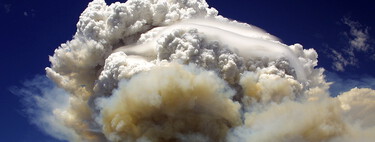
And what happens with airplanes? that they spend. One hour less useful life for every hour of flight. Every outing means more inspections, more maintenance and multiple breakdowns. Right now, the state’s heavy amphibious fleet consists of 14 aircraft (CL-215T, some with more than three decades of service, and four CL-415, last received in 2016). By 2023, there were 18.
¿And why don’t we buy more? The answer is somewhat opposite: because nowhere. When the CL-415 went out of production, Canada refused to put its replacement (DHC.515) into production until it received a minimum order of 20. Spain signed the joint EU procurement in 2024 and this means that the first units will not start arriving until 2028.
If we add that the crew must be trained, it does not seem realistic to expect the new aircraft to fly before 2029.
We’re a little late, aren’t we? Yes, indeed, we are a little late. And it’s not like anyone saw this coming. Since at least 2018, the Air Force’s Logistics Support Command has been asking the ministry to renew the fleet.
Therefore, in 2022, Ecological Transition awarded a contract to modernize the avionics (electronic flight and navigation system) of the CL-215T. However, this year it was considered obsolete because, apparently, the company in charge of the update didn’t even have the manufacturer’s technical manual.
And then? We just have to pay the rent. It’s something we already do, but lack of budget (and rising prices) make this path even more complicated.
All this is nothing more than a reminder that we need to rethink how we deal with a time when fire is an order of magnitude more dire than ever.
Picture | Chiara Guercio
In Xataka | When the USSR extinguished a gas well that had been burning for nearly three years with the most confusing of tools: a nuclear bomb.