

There is something curious about the technological moment we live in. We have phones capable of taking great pictures, and yet compact digital cameras are rekindling interest; We’ve been listening to music over Bluetooth for years, but Wired headphones are also regaining appeal. They don’t necessarily go backwards. Sometimes we look for a certain aesthetic, other times we prefer simple objects or we want to do without an extra battery. Among many new developments, some ideas from the past are finding a second life, and portable audio is a good example.
Sony knows well what it means to bring music everywhere. In 1979 it launched the Walkman TPS-L2, the portable cassette player that helped transform our listening habits, and came out with particularly lightweight headphones, the MDR-3L2. They were not just an accessory, but an essential part of a proposition that allowed us to enjoy music while walking down the street. Now, nearly half a century later, the Japanese firm has looked back to its origins to present the MDR-3R, a new pair of headphones inspired by that first generation.

Recovery is not limited to names. See MDR-3R to identify Different components of the original headphones: A thin headband, its curved shape, side slits and even logos. The manufacturer maintains an open and light construction, weighing only 38 grams and an adjustable headband. There is also a particularly recognizable detail: interchangeable pads in blue and orange, both sets included in the box, which allow you to change its appearance. The homage continues in the packaging and instruction manual, which also recreates visual references to the historic model.
From classic design to USB-C: the same as the new MDR-3R
The look looks to the past, but the way they connect responds to current devices. The MDR-3R uses USB-C and ships with a traditional 3.5mm minijack, so they can’t be plugged directly into an analog audio output. The cable measures 1.2 meters and includes a microphone and a remote control to control playback and manage calls, without batteries to recharge or devices to pair. Of course, they require equipment compatible with USB Audio Class 1.0, and Sony warns that some functions may vary depending on the device, operating system or application. Interestingly, he does not recommend using them with his Walkman players.

In the sound department, the MDR-3R includes 23 mm transducers, the same diameter used in the original headphones, and a configuration that, according to the manufacturer, seeks to restore its acoustic character. Japanese company Promises a natural and balanced soundEspecially vocally, though he admits it has undergone minor adjustments to adapt to current tastes. On the other hand, its open construction means limited insulation against outside noise and allows some sound to escape. They also lack active noise cancellation, something to keep in mind if we plan to use them in crowded environments.
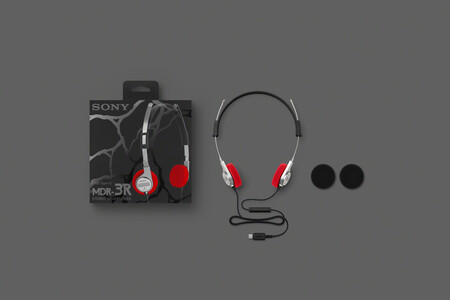
The Eighties look also extends to collaborations with Netflix. Sony has announced a limited edition MDR-3R inspired by ‘Stranger Things’, a series whose aesthetic is closely linked to that decade. This version features a black headband, interchangeable red and black ear pads reminiscent of Max’s headphones and adds an engraved production logo, as well as exclusive packaging inspired by the Upside Down. In Spain, the recommended price for the conventional version is 60 euros, compared to 70 euros for this special edition. Sony puts the availability of both models in November 2026 without specifying a launch date in our country.

Statistics help to understand why cables find space again. According to Circana, sales of wired headphones in the U.S. are expected to grow 3% in 2025, after five years of decline, and rise 20% in the first six weeks of 2026. That doesn’t mean wireless models have lost their dominant position or that we know how much nostalgia will weigh in purchasing decisions. What’s interesting about Sony’s proposition is that it reclaims a product associated with its origins to offer it to consumers living in a very different technological world than it did in 1979.
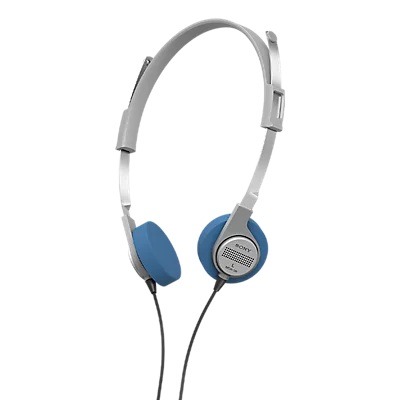
Sony MDR-3R Headphones | Retro design inspired by the original Walkman USB-C | 23mm driver 38 grams
Prices may vary. We earn commission from these links
Picture | sony
In Xataka | Wired headphones have gone from a nuisance to a fashion accessory. What they represent: disconnection