Electricity bills are not cheap right now. Finding a cheaper electricity rate is the first step to lowering your bill, but even if you’re on the best plan, you might be paying more somewhere else: your neighborhood. It is natural that we do not pay much attention to these bills because in total, they are paid by everyone, but according to an analysis by OCU at the end of the year, it can be the highest.
What OCU analyzed. OCU did this based on the owners’ community bills, 85 for electricity and 15 for natural gas, all within the free market. What they found was that the majority of communities contracted electricity at uncompetitive rates and more than they needed.
Can you pay more for electricity?. OCU calculated that the additional cost of the bill due to the lack of competitive rates could reach 1,500 euros per year, as a model for a community with 6.94 kW contracted and 5,500 kW consumption. Energy prices are not the only problem, contracted energy is also a problem. 84% of analyzed shipments suffer from this problem and the additional cost can be as high as 314 euros.
Natural gas is not far behind. This is for electricity, but for buildings with central heating the additional costs are higher for natural gas. On average, there are communities that pay 3,515 euros more per year, all for not contracting the cheapest rate, which is the last resort rate, also known by its acronym TUR. According to the OCU, in large communities with very high costs, 16,000 euros can be saved per year.
How to avoid overpaying. If you’re not familiar with the fact that electricity or gas rates have been discussed at past neighborhood meetings, perhaps it’s time to contact the community president and have him contact the administrator. In the case of gas, it is best to use the TUR rate, while for electricity it is recommended to compare the prices of the free market and the regulated market or PVPC. Contracted power is another thing to review and change if it is too much for the actual use of the community.
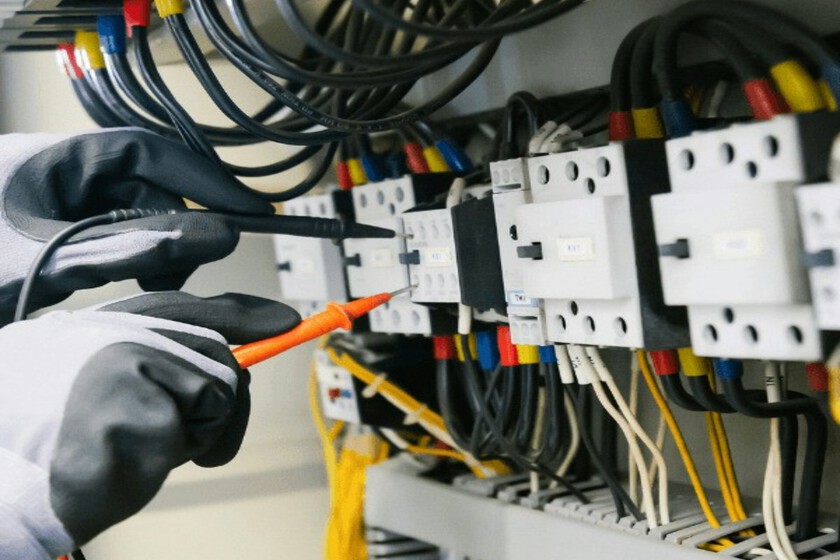
Picture | ToolMash Expo at Unsplash
In Xataka | The law and experts agree: You can set up a trap in your garage so your neighbors can’t grab it.