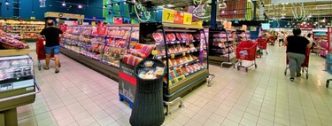
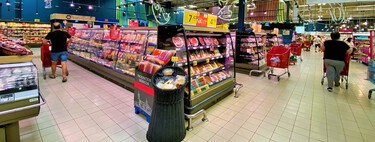
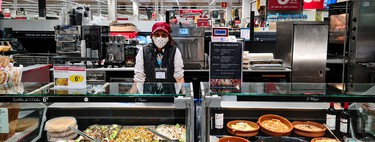
In Spain we don’t eat now like in the days of our parents or grandparents. We don’t do as well as we did a decade ago. Mercadona and other chains that have seen the food business boom know this well. the merchantA place halfway between a supermarket and a traditional restaurant where you can eat freshly cooked food. Speed, comfort, and time savings prevail. Also find easy, economical and healthy options for home cooking. It’s not an easy equation, but there’s one industry that knows how to take advantage of it: the snack industry.
In fact, there are more and more sources (and voices) that tell of a progressive “snackification” of our diet.
Figure: 4.6%. 2025 was not a bad year for the snacks and nuts industry. This is reflected in the latest annual balance of the Snacks Association, which puts two figures in the table. In 2025, sales of this sector in our country will reach 3,254 million euros, which is 4.6% more than in 2024. While part of this percentage is explained by price increases, the industry also shipped more snacks. Its marketing volume increased by 1.5%, bringing its sales to 392,866 tonnes.
Dry fruits reign. Of course, not all snacks sell equally well. Not even its marketing progress at the same pace. The most successful is almonds, which will account for 37.7% (tons) of sales in 2025. The rest of the sectoral ‘pie’ is split by French fries, which account for 32.39% and ‘other snacks’ (27.39%).
If we talk about the evolution, in 2025 the business of almonds grew by 8.12% in terms of value (euro) and 0.88% in volume (tons). French fries shifted 2.84% lower in turnover, but the industry compensated for this with demand for other snacks, which increased by 4.54% in value and tonnage sold by around 9%.
Why is it important? The data from the Snacks Association is interesting because it not only tells us about the progress of the sector. They also reveal how our eating patterns are changing. In fact, the employer’s report is consistent with other studies on food in Spain, such as the 2025 yearbook of the Ministry of Agriculture. Its technicians estimate that the consumption of snacks outside the home increased by 3.6%. We frequently order and eat snacks outside the home, although we eat less when they are served to us. More snacking, less frustration.
The ministry’s report, however, paints a more complex ‘picture’ than that of employers’ organisations. We Spaniards eat less chocolate, chocolate and chips outside the home, but our interest in nuts is growing. Its purchase volume has increased by 12% in recent years. This explains why the sector’s general balance is skewed, with a general decline that coincides with a decline in the weight of fried foods and sweets and an increase in fruit.
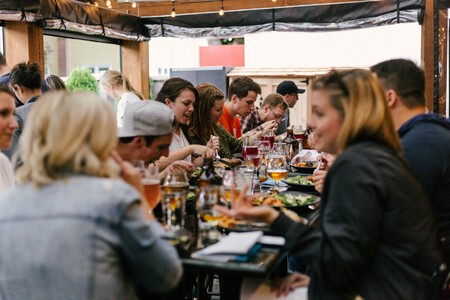
Priscilla du Preez 🇨🇦 (Unsplash).
What you eat…and how you eat it matters. These facts are not coincidental. We Spaniards (as in other countries) are changing the way we eat. And this is not only due to changes in the menu, where fish, fresh bread or alcohol have reduced weight. Our food patterns, frequency and eating patterns also change. The traditional ‘breakfast-lunch-dinner’ scheme has been made more flexible, leaving room for a diet more distributed throughout the day with smaller meals.
It’s not just theory. In the US they identified a clear trend towards consuming small snacks rather than the main meal of the day. In 2020, 38% of those surveyed acknowledged this change. In 2024 they were already 56% and in 2025 62%. Many do this only occasionally, but the percentage shows that something is changing.
And in Spain? There are clues that point in the same direction: in 2004 the INE calculated that 58% of the population ate three meals a day. In 2022, Mapfrey addressed this issue again and discovered that, at least on work days, the percentage of people who ate three meals did not reach 39%.
30% ate four and 23% ate five meals throughout the day. These are different studies conducted by different organizations (INE and Mapfrey), so they should be compared with some caution, but they still suggest a change in practice.
One word: “snackification.”. In the wake of these changes, there are some who are already talking about a “snackification” of food, a gradual change that breaks with the traditional pattern of eating three daily blocks (breakfast, lunch, dinner) and replaces it with snacks spread throughout the day. The reason? Not only does our eating habits change, but how we plan it and our priorities, in which effective time management gains strength.
We want healthy food, but we are willing to lock ourselves in the kitchen to prepare it and are less in the habit of going to the market to buy fresh produce. Not only that. We also reduce the time we spend on food. Hence its success the merchant (which allows faster adoption), take away Or more and more hoteliers are swapping the traditional three-course menu for more condensed options.
Snack application. The snack industry is aware of this scenario. Therefore, it is increasingly common to find products that this sector presents as fast and healthy food options. It no longer appeals only to the stomach. It does the same for the brain.
Even in the search for small rewards and “moments of happiness,” a business niche that Sercana recently warned of. In the same European study, however, the consultancy provides another revealing piece of information: 13% of those surveyed admitted that they already eat snacks instead of main meals, and 28% combine both. A large portion of them also believe that this snacking is a way to take care of themselves.
Picture | Taufiq Barbouia (Unsplash) and Priscilla du Preez 🇨🇦 (Unsplash)
In Xataka | The drama of the menu of the day in Spain: it rises to an average of 15 euros, and even then it is hardly profitable for restaurants.