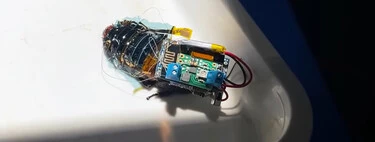
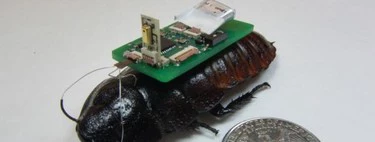
SWARM is working on the development of Biotactics Cyborg cockroaches For surveillance-recovery work. The German company uses an electronic backpack technique placed on living insects. Thus, they can be controlled and used to obtain information in areas that are difficult to access. It is a combination of animal mobility and sensor components and secure communication and artificial intelligence.
The company was founded in 2024. In June 2025 they announced a financing round of 10 million euros. With this they managed to raise a total of 13 million euros. According to the statement, the funds will be used to launch operational pilots and increase manufacturing capacity of the backpack and neural interface (statement).
There are devices Neural stimulation module which affects their movement. According to Stefan Wilhelm, CEO of SWARMCan be controlled individually or autonomously (in swarms). Cameras are among the tools provided for obtaining information about the environment.
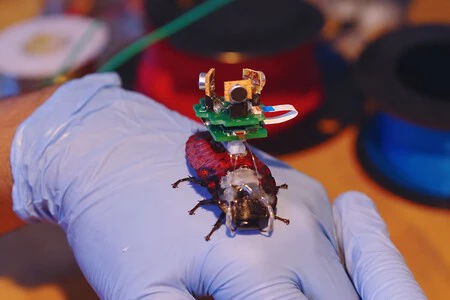
It is also worth highlighting the presence of artificial intelligence in sensor data management and coordination. On the other hand, they also offer their technology for defense and security applications. Besides, Its use in searching for survivors in collapsed structures is being considered. It’s about taking advantage of size and mobility advantages in places where it’s hard for other teams to get into.
The company claims that it has also been tested in the field, which does not imply knowing the control time in a real mission.
Limits on animal control and welfare
One aspect of which This is the habit that biorobots study. That is, by repeating the electrical stimulation, the response in the insect can be reduced. In work published in Soft Robotics, Rui Li and colleagues were able to maintain control for 3 hours. To do this, they implemented an algorithm that adapted the stimulus and inserted the reactivation signal.
This is the result of the authors’ tests. It does not measure the autonomy of the SWARM system. It cannot be extended to espionage or rescue operations.
Animal welfare is an area that is debated. A scientific review by Matilda Gibbons and colleagues found strong evidence consistent with pain in adult cockroaches. However, there are gaps in the research. So it cannot be said that they do not feel pain.
Picture | YouTube Defense Center with editing