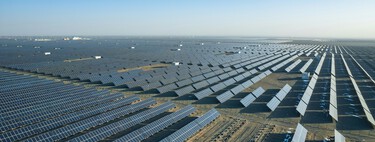
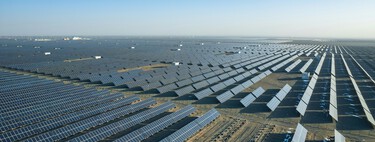
Spain, like several other countries, produces large-scale renewable electricity. With increasing installed power, especially with photovoltaics, we have become a world power in clean energy.
And yet, this growth has brought a paradox: more energy is being wasted than ever before. According to consulting firm Aurora Energy Research, El Periodico de la Energía reports, the unnecessary emissions of electricity reached the energy equivalent of nearly two million homes in mid-October. All this leads us to an uncomfortable question: what is the point of producing so much electricity if it is not used later?
About 20 GW of power has been installed in the last two years. Renewable energy, especially photovoltaic energy, has grown exponentially in our country. Tells about the analysis Renewable energy The DBK Sector Observatory of Informa said that by the end of the year, the combined capacity of solar and wind power will add up to 93,000 MW. This would represent a 13.5% annual increase over 2025, especially for solar photovoltaics, which separately grew by 26.2% from the previous year.
Indeed, this rapid expansion of renewable generation has been particularly notable in the last two years: during that time, according to El Periodico de la Energie, 20 GW of new solar photovoltaic power and another 2 GW of wind power have been connected to the grid.
More and more renewable generation is being wasted. The consulting firm points out that most of the electricity generated is not integrated into the grid. What the report confirms is that unpaid electricity emissions reached 6 TWh in Spain in mid-October. That is a waste of energy. This is equivalent to the energy bill used by two million homes in our country.
That’s double 2025’s 3 TWh on the same date and five times more than 2024, according to data shared by the medium. From May, and with maximum renewable generation, deduction Unpaid technicians have skyrocketed: it reached 1 TWh in September alone.
what deduction? With so much renewable deployment, sometimes the power system operator uses a limitation: that is deduction Technical, a formula that allows you to reduce the production of electrical energy of an installation that is often renewable. Thus, its production is temporarily reduced or interrupted for some time to ensure the stability and balance of the electrical network.
As explained by El Periódico de la Energía, there are two phases: in the first, generation is adjusted to ensure technical efficiency. The second restores the balance between generation and demand after this adjustment. The distinction is important: upward adjustments in Phase 1, as well as retransmissions in Phase 2, are remunerated, not generation reductions in Phase 1.
It is not homogenous. According to the news, the most affected communities are Extremadura and Aragon, large renewable producers and therefore, with some of the highest reduction rates. Provinces such as Almería are also different, where it is common to curtail renewable generation to ensure security of electricity supply.
However, the report suggests that future discharges may stabilize with the implementation of solutions that are now becoming an increasingly common reality. For example, the promise of battery storage systems allows electricity generated during peak production to be stored and discharged when needed.
Picture | Hoan Ngọc
In Xataka | The solar boom has an unexpected side effect: cheap electricity threatens the profitability of new parks