We are used to entering a museum to find what is worth remembering. In Spain it is enough to think of the Prado, the Reina Sofia or the Guggenheim Bilbao, but we have spaces dedicated to more recent stories, such as the OXO Video Game Museum Madrid or the Computer History Museum, located in Mazdas de Titer. In some we think of works spanning centuries; Among others, machines and devices that help explain how we got here. But there are those in Europe who have decided to save just the opposite: products that have promised so much and They ended up being wrong.
That place is in Oslo and it’s called the FLOP Museum. The project was born in 2025 and since April 15, 2026 it has a headquarters in the Norwegian capital dedicated to bringing together products and ideas that the museum itself considers great “flops”. Behind it is the founder of the project and former employee of Google, Stephen Calvey. This phase also has an expiration date: the museum’s website announces that this will be its last autumn in Oslo and then the objects will go out into the world, although it has not yet detailed what their next destination will be.
Once inside, the scale is amazing. The FLOP Museum gathers more than 270 objects and puts about 100 on display at the same time, enough to cover decades of commercial bets that didn’t pan out as the incumbents hoped. Some pieces will be instantly recognizable; Others make us stop to understand how they got to market. That variety is part of the appeal of the route: here are some Google Smart Glasses With a clear drink, an attached doll, or an electric mask.
Failure is reserved here as well
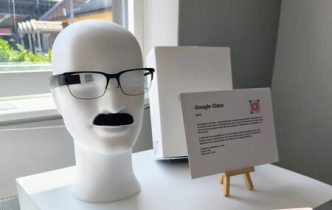
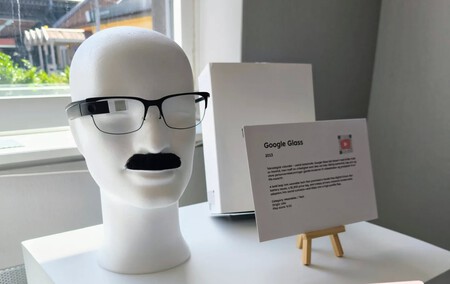
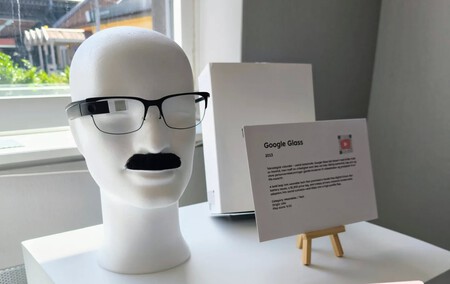
There are several names among the technical parts that we have seen going through the industry. Google Glass wanted to bring a camera, display and digital information directly into our eyes, but its high price, privacy concerns and lack of clear utility have hindered its journey with consumers. Google will redirect Glass to the enterprise market before discontinuing sales of Glass Enterprise Edition in 2023.
Sony also has a place for minidisc, conceived in the 1990s as a digital and recordable alternative to cassettes: it was particularly successful in Japan, but it failed to establish itself globally as Sony had hoped, initially because of its high price and later because of the rise of MP3 players and the iPod. My friend Kayla took another route: the doll responded via Bluetooth and an app, but an investigation by the Norwegian Consumer Council found serious security and privacy problems, and Germany considers it an illegal surveillance device.
When we leave technology behind, the journey becomes a lot stranger. Pieces include Crystal Pepsi, the transparent cola that Pepsi introduced in the 1990s; Rijuvenic, a facial mask that uses 26 electrodes to apply electrical stimulation to the face. There is also room for Red Bull Cola and McAfrica, two areas that span the journey from product to marketing and communication decisions that can work against a brand.
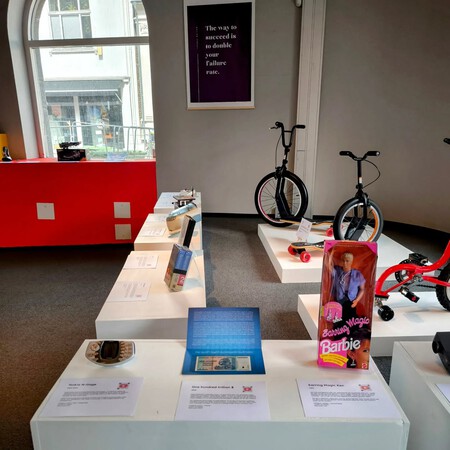
One of the exhibition areas of the FLOP Museum Photo: FLOP Museum
Now, all these objects did not come here by the same route. The museum itself offers several explanations: some ideas were released too soon, others failed to connect with their clients, and in some cases pre-launch decisions worked against what they were trying to sell. This distinction is important because the FLOP Museum does not suggest that failure itself is a guarantee of something positive or innovative. It’s much easier to read: making a mistake can teach us a lesson, but only if we realize what went wrong and do something else later.

The fact that the project is backed by someone who went through Google adds a final twist to the story. The FLOP Museum offers a look at innovations not only from products that have succeeded, but also from those that haven’t found their place, arrived at the wrong time or were conditioned by poor decisions. In the end, we left the museum with a pretty simple idea. We tend to keep doing what we do; The decision is made to save what went wrong here, precisely because understanding those mistakes can help us better understand how success is born.
Picture | FLOP Museum
In Xataka | What Happened to ATI: From Facing NVIDIA to Being Swallowed and Forgotten by the Tech Industry