In recent years, Spain has made very relevant progress in renewable energy and decarbonisation. We don’t say that. Neither does the government. The International Energy Agency (IEA) has said this in a recent report Spain 2026 – Energy Policy Review. It is an in-depth analysis of Spain’s energy situation today and the challenges that must be overcome to guarantee a sustainable, competitive and secure energy system in the future.
However, all is not so positive and the report also comes with a slight slap on the wrist. And it’s not all about generating energy, you have to use it well.
What Spain did well. In just over a decade, our country has achieved something incredible: transforming a large part of its energy system. According to the IEA report, between 2015 and 2025, Spain doubled its installed renewable capacity, reaching 119 GW. Such achievements mean that renewables accounted for more than half (56%) of the electricity already produced last year. The rest of the electrical mix was distributed with 18% nuclear power, 21% natural gas, 3% oil and only 0.7% coal with a remaining percentage.
For this, we must achieve an average annual improvement in energy intensity of 2.4% and reduce greenhouse gas emissions by about a fifth over the decade mentioned.
https://www.xataka.com/energia/espana-ha-desperdiciado-tanta-energia-renovable-este-ano-como-que-consumen-casi-dos-millones-hogares
The renewable boom does not eliminate the need for other technologies. Although renewable energy has become the main source of energy in Spain, it also points to others that have acted as backup and increased their generation, especially in 2025.
This is especially about gas, which went from 19% in 2024 to 21% next year, due to special operating procedures implemented after the blackout on April 28 that left the peninsula in darkness.
Conflict in the Spanish case. Although renewable energy is on the way and we are producing more and more clean electricity, the IEA document indicates that we are still far from electrifying the entire Spanish economy with the same intensity, still dependent on oil and gas.
In fact, in 2024, electricity accounted for 25% of our country’s final energy consumption, which is ten points less than the 35% considered in the 2030 National Integrated Energy and Climate Plan targets.
Transportation, is a pending matter. The report indicates that in Spain in 2024, electricity represented 55% of the energy demand of buildings and 29% of industry. However, energy, transportation, is the largest final consumer of electricity representing about 2% of the total demand. This is the clearest example of this unresolved electrification, which, in addition, was responsible for 46% of CO2 emissions related to energy in the same year, 7.7% more than in 2015, while other industrial sectors are in a total reduction trend.
Oil accounts for 92% of the energy consumed in transportation, compared to the remaining figures for natural gas or biofuels. Regarding the latter, like hydrogen or biomethane, the IEA confirms that they have potential, but they are still far from their objectives. This distinction between potential and reality is a good summary of the main Spanish challenge.
Electrical system should be equal. According to the report, Spain added 15 gigawatts of renewable capacity last year, the highest annual record ever. Of that amount, 90% is photovoltaic combined with solar power.
This exponential growth requires a robust and resilient system, capable of adjusting to times of low demand and high renewable generation and vice versa. To achieve this, the IEA proposes increasing flexibility, betting on storage and strengthening interconnections with other countries, which are now, according to the agency, too limited.
Spain has already shown that it is growing, now it remains to show that it can. The report highlights that this increase in installed renewable capacity has given our country greater energy independence, and without it, it estimates that gas imports would have been up to 40% higher in 2024.
However, it also highlights the challenge that Spain still needs to electrify much of transport and industry, adapt its buildings, strengthen networks and deploy storage to handle growing renewable generation.
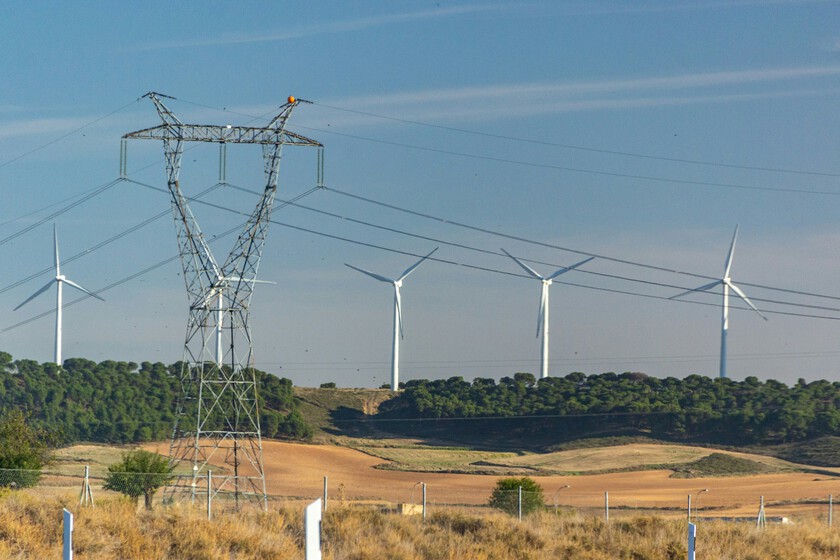
Picture | David Vives
In Xataka | Barcelona will use an underground plant with seawater to cool the building and deal with the heat