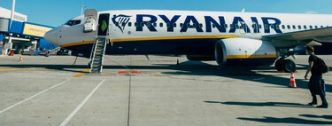
Skyrocketing flight prices. According to Michael O’Leary, CEO of Ryanair, what we are going to see in the next 12 months as a result of rising fuel prices. The announcement comes as the company continues to cut more commercial routes to Europe, a clear move to prioritize the most profitable routes.
“up to 20%”. it is threat Forecasts that Michael O’Leary, CEO of Ryanair, has started on the price increases Europe will experience in the next 12 months. “Airfares are going to go up in Europe next year, I think 10, 15, maybe 20%. You’re going to see the biggest increase in airfares, I would say, in the history of Europe in the next 12 months,” O’Leary told a news conference. Reuters.
This is because, obviously, the Iran war, which has affected the normal transit of oil through the Strait of Hormuz, has increased the stability of fuel prices. With continued disruptions, oil prices have skyrocketed and jet fuel is particularly sensitive to these fluctuations.
March 2027. If until now we have not seen such an increase in ticket prices, it is because European airlines, according to O’Leary, had their position well covered in 2026 but that will change next year. And it confirms that when the US and Israel attacked Iran for the first time in February 2026, the airlines had already blocked a good part of the price they would pay for their fuel for a year.
According to Ryanair’s CEO, the issue has been resolved ReutersThe company has blocked 80% of the fuel it bought in 2026 at $67 a barrel. This will change from March 2027 when it says the blocking of these prices will end
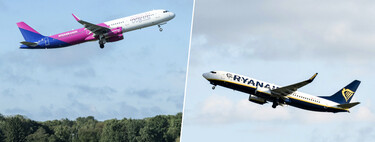
less flight. With fuel prices skyrocketing, Ryanair has already started taking action in September. Measures that, of course, aim to prioritize the most profitable lines. For next year, the company announced that it expects to cut two million passengers.
Indeed, these statements by the company’s CEO came during a press conference in Brussels where he announced commercial route cuts in Belgium although, as in Spain, he claimed that the cuts of up to 20 flights and 1 million seats were due to an increase in airport fees.
What is certain is that a portion of these flights will go to airports where the risk of empty seats is low, but the company plans to take some supplies off the market.
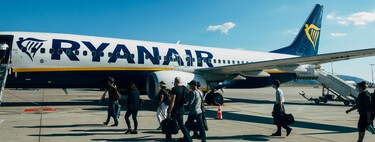
15% covered. O’Leary took the opportunity of the press conference to launch another warning: only 15% of the fuel they need by 2027 is blocked at $85. The contract expires in March 2027, so the company has had to block fuel at much higher prices in recent months. That figure has not been released.
The impact of this year’s fuel price hike should be felt in the second quarter of next year, with airlines blocking months in advance. And if the dispute continues, the downside will be more noticeable in the winter, just when airlines have less traffic and need to make more money per passenger.
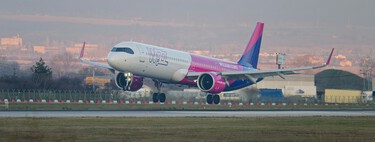
A creeping problem. Rising fuel prices put airline operations at risk. With oil prices skyrocketing, the sector is particularly sensitive to this increase as refining it for use in aircraft is particularly expensive.
Also, airlines have the same problem as low-cost gas stations. Companies that are committed to playing low fuel prices are the most exposed to this increase. Giant companies like Ryanair are those with the most margins to withstand the blow, but smaller ones, it has warned for months, are at risk of existence.
Picture | Polish Presidency of the Council of the EU 2025 edited with ChatGPT
In Xataka | Ryanair will cut 1.2 million seats in Spain but there’s one region that will be hit harder than the rest: Galicia.