On February 14, 2025, the course of history may take a tragic turn. A Russian drone has arrived at the Chernobyl nuclear power plant, where the metal vault that has covered the reactor since the 1986 disaster is located. The attack damaged the structure and caused a fire in the outer casing which could have serious consequences not only for Ukraine, but for Europe and even the world.
After an inspection by the International Atomic Energy Agency (IAEA), it was determined that the structure was so badly damaged that it had lost its primary safety functions, including the ability to limit radioactivity. Therefore, explains El Periodico de la Energia, several G7 countries have committed to allocate 260 million euros for its repairs, although the truth is that the same amount will be needed to fully restore its safety functions.
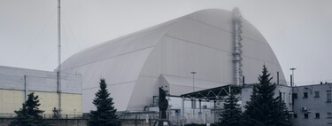
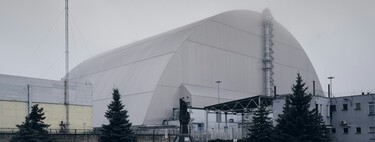
It is going to last a century. The New Safe Confinement, known today as the steel structure that covers the former Chernobyl nuclear power plant, was completed in 2019, becoming the largest metal structure in the world, as explained by El Periodico de la Energie. This new installation, 110 meters high, 150 meters wide and 256 meters long and weighing more than 30,000 tons, covers the old sarcophagus, which was built against the clock after the accident between May and November 1986, with an estimated useful life of about 30 years.
To launch it, the New Safe Confinement was tested for 72 hours and proved to be able to protect against new radiation releases, as well as allow safe dismantling of the destroyed reactor when the time comes. The structure was designed to last 100 years, the BBC reported. Of course, without outside interference.
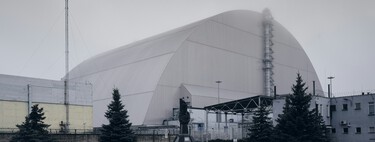
The drone that changed everything. On February 14, 2025, a Russian drone strike damaged the deck, opening a large hole in the metal and crane maintenance shop equipment; In addition, it caused a fire in the external cladding of the steel structure that reached 40 square meters and which, fortunately, was quickly extinguished by the emergency services.
The IAEA, in a safety assessment, described the damage as serious and, although it was not permanent in the supporting structure or the monitoring system, the containment capacity was lost: although there are no radioactive leaks at the moment, the structure no longer guarantees the safety conditions for which it was designed. Therefore, a comprehensive overhaul is recommended to avoid further degradation and maintain long-term nuclear safety.
500 million euros. After the first assessment, the Chernobyl Nuclear Power Plant and Novorka 2 Consortium estimated that it would be essential to restore the functionality of the structure. The repairs could cost at least 500 million euros, according to the European Bank for Reconstruction and Development (EBRD).
To achieve this figure, for the time being the G7 members announced an allocation of 260 million euros for the restoration of structures and called on other international partners to reach the required number.
Are there any risks for Europe? According to measurements conducted by the IAEA and collected by the EBRD since the attack, radioactivity levels do not appear to have increased in these months, although they continue to recommend repairing the structure before 2030, when it is expected that the steel arch may begin to corrode.
However, this does not mean that nuclear installations have been attacked from various directions in recent years. El Pais reported that last May the United Nations condemned several drone attacks on Zaporizhia, Europe’s largest nuclear power plant, located in Energodar, a municipality controlled by the Russian military. It is not surprising to think that the recklessness of these attacks could lead to a disaster as the IAEA has warned. Nevertheless, it seems unlikely that Russia will preplan a nuclear catastrophe in Ukraine, according to some experts advised by El Pais, since at the same time as the rest of Europe, “it will harm itself, because the radioactive cloud will certainly reach them.” And the same happens the other way around.
Picture | Mads Enqvist
In Xataka | Ukraine is crippling Russian refineries by attacking the hardest to replace only parts